


Office Address:
67-10 Fresh Pond Road Ridgewood, NY 11385


Blog list
Fresh Pond Eye Care Blog
Learn more about optometrist care in our blog!
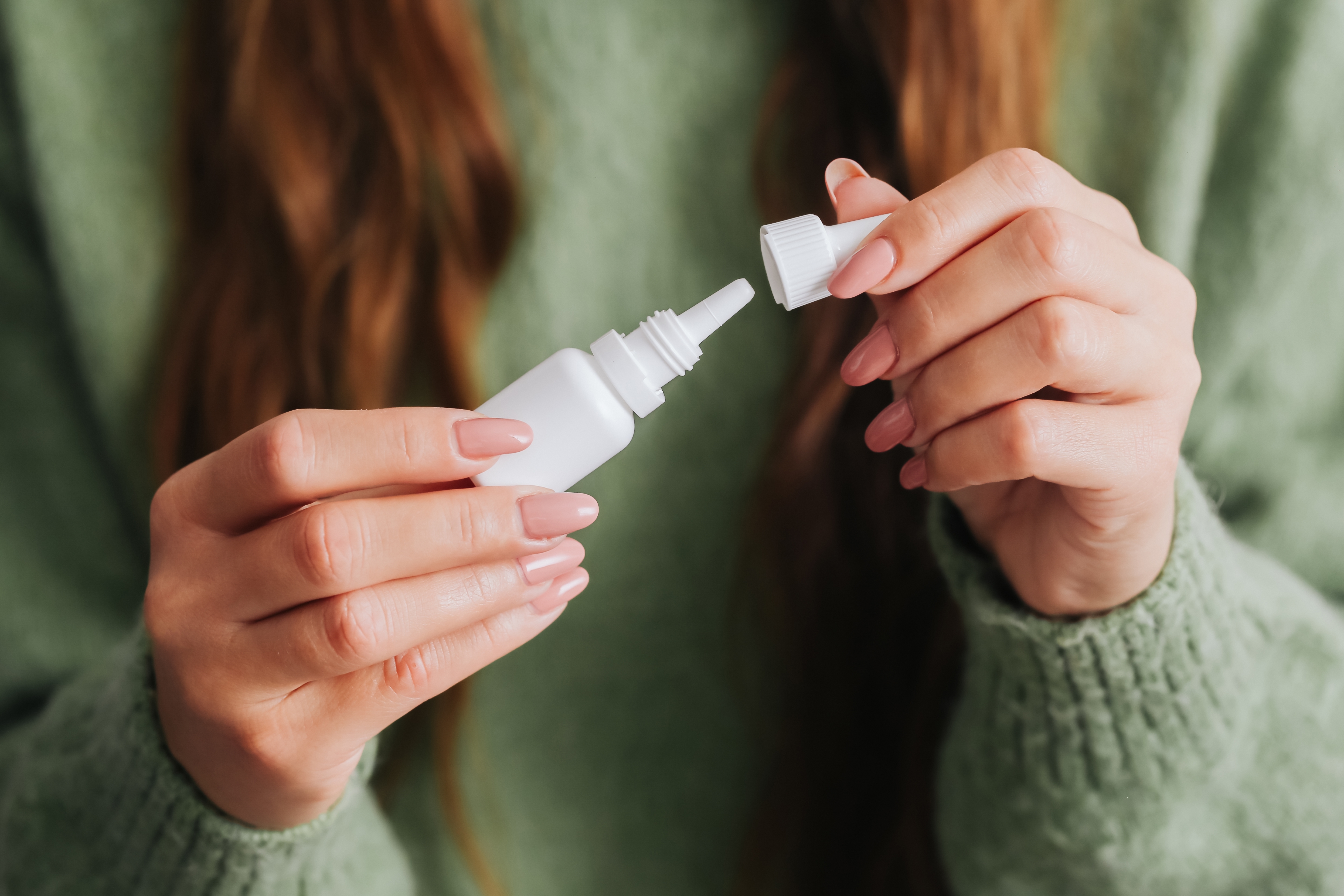
Summer should be about enjoying longer days, not constantly reaching for eye drops. Yet heat, wind, air conditioning, allergens, and increased outdoor activity can make dry eye symptoms more noticeable. For some people, artificial tears provide temporary comfort but never seem to solve the problem.

For busy Ridgewood professionals, clear vision needs to keep up with a day that can shift quickly from checking a subway map to reading emails, reviewing documents, and looking across a conference room. As near vision naturally changes with age, these everyday tasks may start requiring reading glasses.
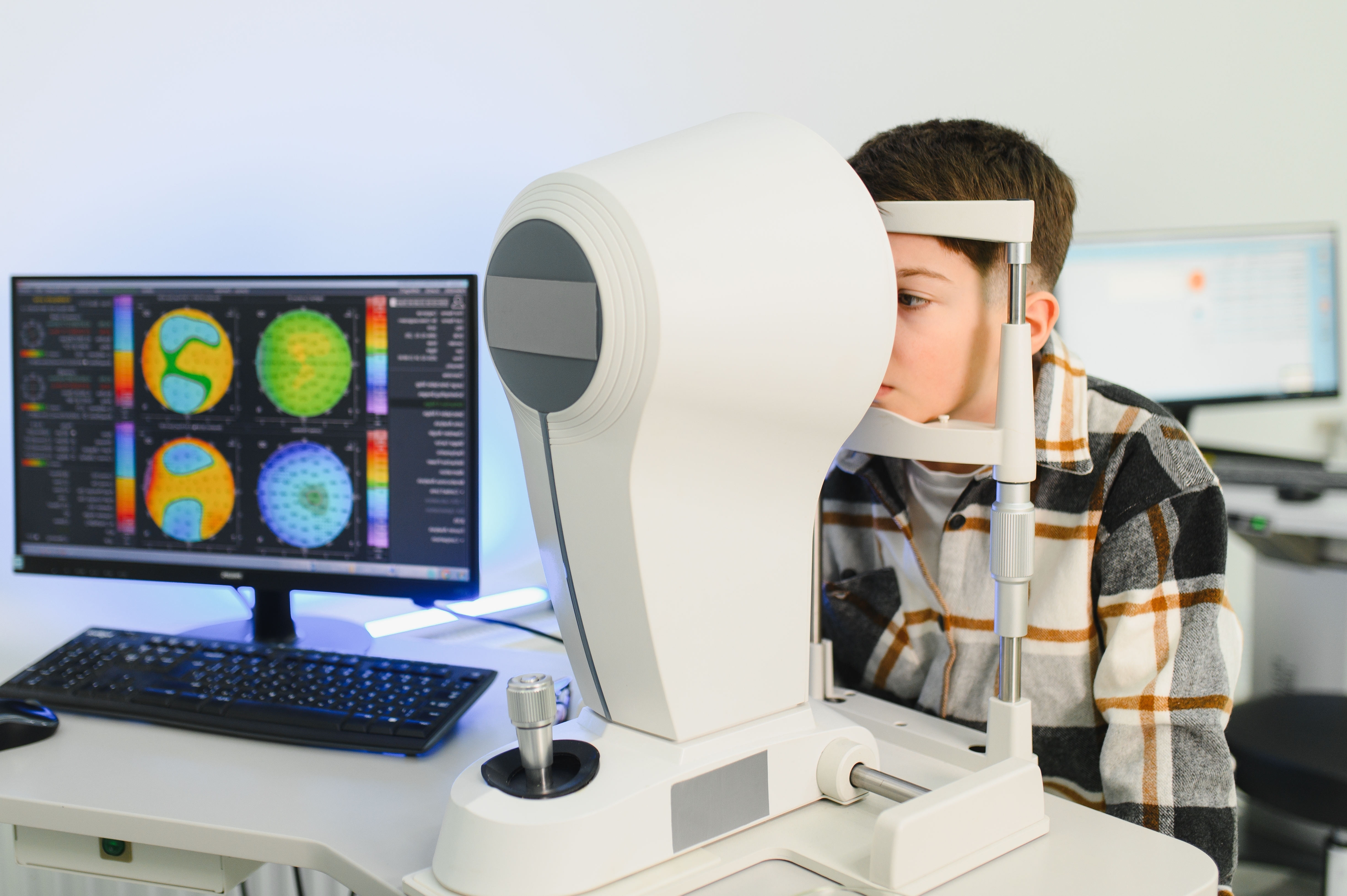
Summer often brings a more flexible pace for families. With fewer school commitments and adjusted work schedules, it can be an ideal time to arrange comprehensive eye exams for children, parents, and older adults. Scheduling family eye exams in Ridgewood during the summer also allows time to address vision changes before school, work, and fall activities become busier.
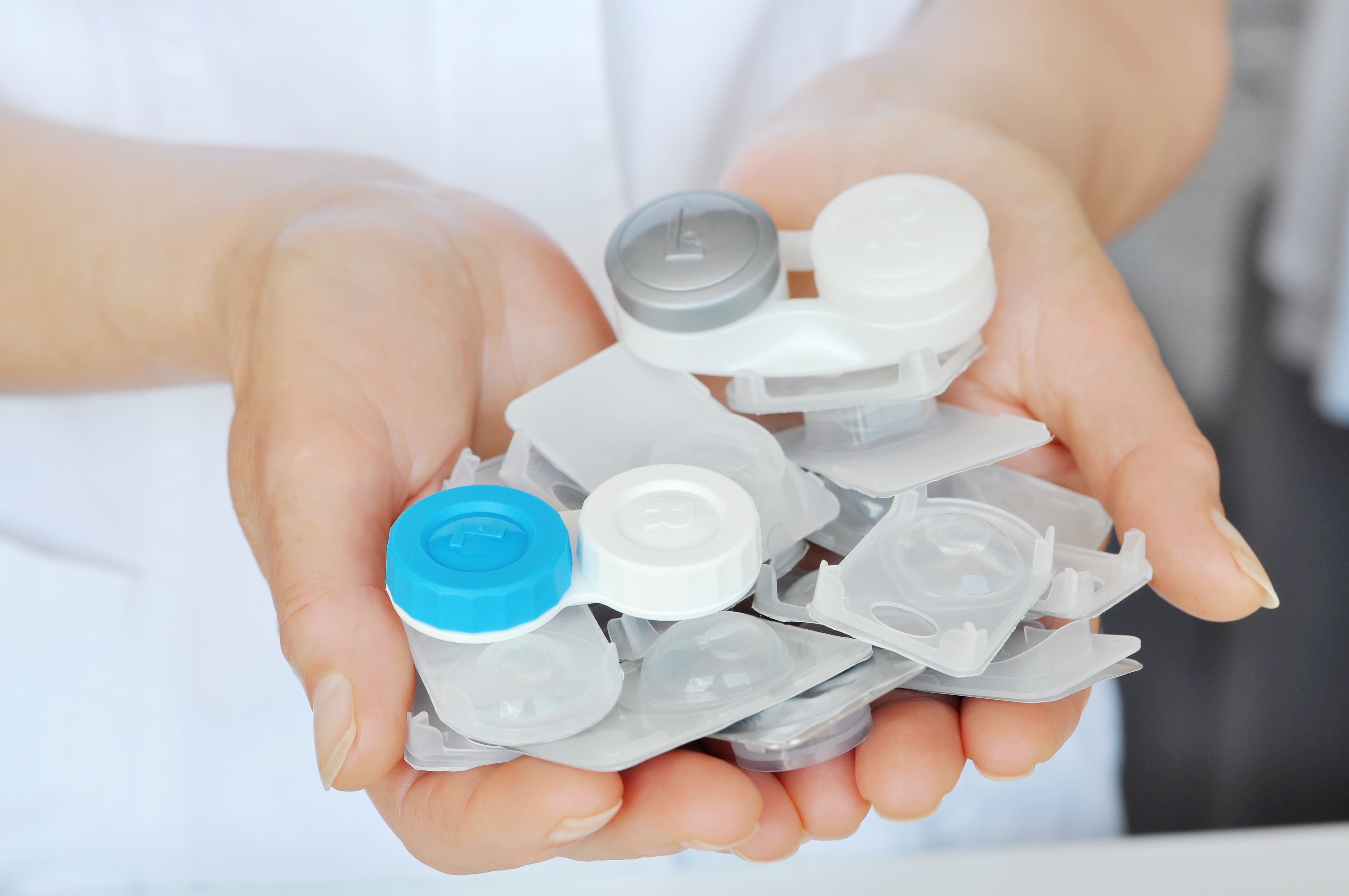
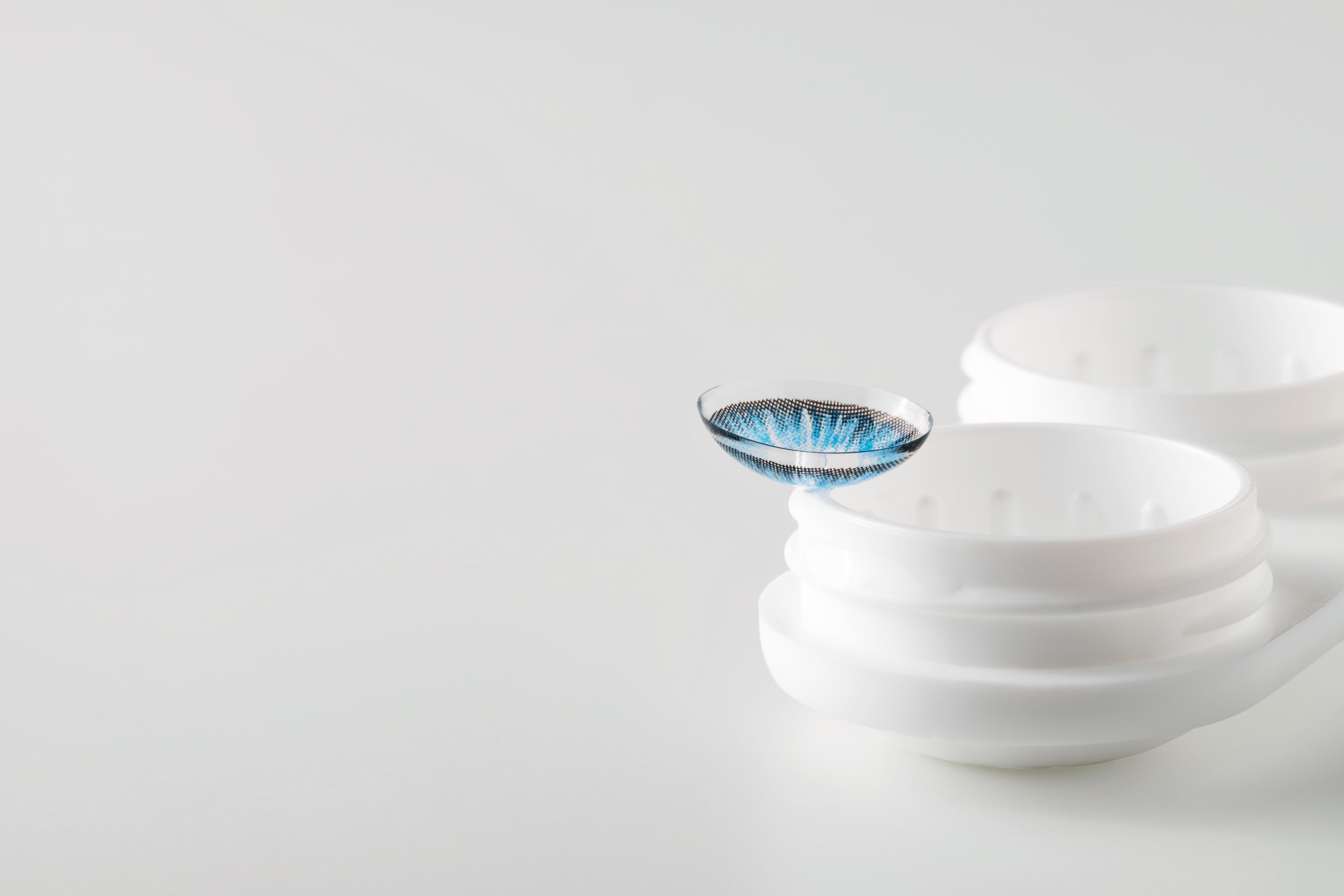
Contact lenses should provide clear vision without leaving your eyes feeling irritated, gritty, or tired. For people with dry eye, however, standard soft contacts may become uncomfortable as the day continues. Understanding how soft and scleral lenses interact with the eye can help you determine which option may provide better comfort and vision.
Warm weather can be a welcome change, but summer conditions can be tough on sensitive eyes. Heat, air conditioning, pollen, wind, pool chemicals, and increased screen use during travel or downtime can all contribute to dry, irritated, or watery eyes. For people with chronic dry eye, these triggers may make symptoms feel more noticeable throughout the day.

Chronic dry eye can feel like a daily battle with burning, redness, watering, light sensitivity, and fluctuating vision. For many patients, artificial tears only provide short-term relief because they do not always address the underlying cause of the problem. When dry eye is connected to inflammation or meibomian gland dysfunction, Intense Pulsed Light (IPL) therapy may help treat the source of symptoms more effectively.

When children struggle in school, vision is not always the first thing parents think about. However, many learning tasks depend on clear, comfortable, and efficient vision. Reading, writing, focusing on the board, using digital devices, and following along in class all require the eyes to work properly. At Fresh Pond Eye Care in Ridgewood, Dr. Wu provides pediatric eye exams to help identify vision problems that may affect a child’s learning, comfort, and confidence.

Dry eye can make everyday tasks like reading, driving, working on a computer, or wearing contact lenses uncomfortable. For some patients, artificial tears and lifestyle changes are not enough to provide lasting relief. At Fresh Pond Eye Care in Ridgewood, NY, Dr. Wu may recommend punctal plugs as a simple, in-office treatment to help keep more natural tears on the eyes.

For many people in Ridgewood, standard soft contact lenses work well for everyday vision needs. But they are not the right fit for everyone. If your vision is still blurry, your lenses feel uncomfortable, or you have a more complex eye condition, specialty contact lenses may offer a better solution. At Fresh Pond Eye Care, we provide contact lens services in Ridgewood, including specialty options such as lenses for keratoconus, scleral lenses, and orthokeratology for myopia management.

If your eyes feel itchy, watery, or constantly irritated, it can be hard to know whether you are dealing with eye allergies or dry eye. While these conditions may seem similar at first, they often have different causes and require different care. For patients in Ridgewood, understanding the difference is the first step toward clearer, more comfortable vision.


Office Hours
- Monday Closed
- Tuesday 10:00am - 6:00pm
- Wednesday 10:00am - 5:00pm
- Thursday 10:00am - 6:00pm
- Friday 10:00am - 5:00pm
- Saturday 10:00am - 6:00pm
- Sunday Closed
© 2026 Fresh Pond Eye Care. All Rights Reserved - Accessibility Statement - Privacy Policy - Sitemap
Powered by

