


Office Address:
67-10 Fresh Pond Road Ridgewood, NY 11385


Eye Allergies Vs. Dry Eye: How To Tell The Difference
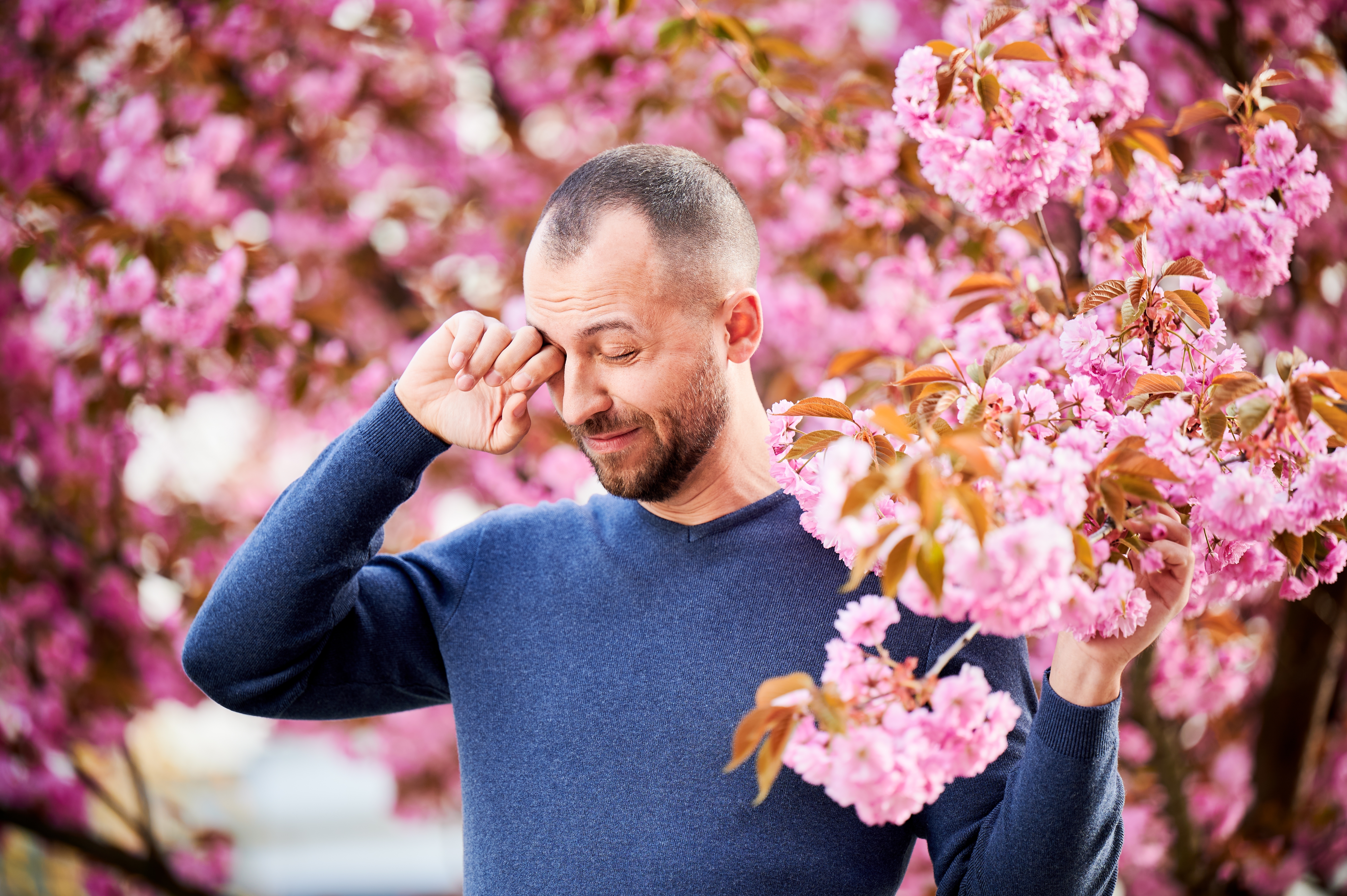
If your eyes feel itchy, watery, or constantly irritated, it can be hard to know whether you are dealing with eye allergies or dry eye. While these conditions may seem similar at first, they often have different causes and require different care. For patients in Ridgewood, understanding the difference is the first step toward clearer, more comfortable vision.
What Usually Causes Eye Allergies?
Eye allergies happen when your eyes react to triggers like pollen, dust, mold, or pet dander. These symptoms tend to flare up during allergy season or after exposure to something irritating in your environment. Many people notice that their eyes feel worse outdoors or after cleaning, being around pets, or spending time in dusty spaces.
A key sign of eye allergies is itching. If your eyes are itchy more than anything else, allergies are often the reason.
What Usually Causes Dry Eye?
Dry eye develops when your eyes do not make enough tears or when tears evaporate too quickly. This can happen because of aging, screen use, contact lens wear, certain medications, or meibomian gland dysfunction. Dry eye symptoms are often more constant and may get worse later in the day.
Instead of intense itching, dry eye often causes burning, stinging, irritation, or a gritty sensation - like something is stuck in your eye.
Signs That Help You Tell Them Apart
Here are a few common differences between eye allergies and dry eye:
- Eye allergies usually cause itching, tearing, and puffiness
- Dry eye usually causes burning, grittiness, and fluctuating vision
- Allergies are often linked to seasonal or environmental triggers
- Dry eye is often linked to screen time, contact lenses, or tear film problems
- Allergies can affect the eyes suddenly
- Dry eye often feels ongoing or gradually worsens over time
Can You Have Both At The Same Time?
Some patients can have both eye allergies and dry eye at the same time. Allergies can irritate the eyes, while dry eye can make the surface of the eye more sensitive overall. Using the wrong drops can also make symptoms worse, especially if you are treating one issue while missing the other. For example, allergy symptoms may cause frequent rubbing, which can further irritate the eyes and disrupt the tear film. At the same time, dry eye can leave the eyes feeling inflamed and uncomfortable, making allergy flare-ups feel even more intense. When both conditions are present, symptoms may come and go or seem to change throughout the day, which can make it harder to figure out the real cause without an exam.
Find the Cause of Your Eye Discomfort
If your symptoms keep coming back, a full eye exam can help identify what is really going on. We look at your tear quality, inflammation, eyelid health, and any signs of allergy-related irritation. Once we know the cause, we can recommend the right treatment, whether that means dry eye treatment, allergy management, or a combination of both. Getting the right diagnosis can help you avoid ongoing discomfort and protect your eye health.
If you’re experiencing eye allergies and dry eye symptoms, schedule a consultation at Fresh Pond Eye Care to learn more about personalized treatment options. Contact our office in Ridgewood, New York, by calling (646) 481-8579 or Click here to get in touch with us today.


Office Hours
- Monday Closed
- Tuesday 10:00am - 6:00pm
- Wednesday 10:00am - 5:00pm
- Thursday 10:00am - 6:00pm
- Friday 10:00am - 5:00pm
- Saturday 10:00am - 6:00pm
- Sunday Closed
© 2026 Fresh Pond Eye Care. All Rights Reserved - Accessibility Statement - Privacy Policy - Sitemap
Powered by

